.png)
Wildlife Conservation & Management
Living in harmony with Cassique's natural inhabitants. Learn about the wildlife that shares our coastal community and how to coexist safely and respectfully.
Essential Resources
American Alligator
Alligator mississippiensis
American alligators are native residents of South Carolina's coastal wetlands and are commonly found in Cassique's ponds, lagoons, and marsh areas. These reptiles play a vital role in our ecosystem and are protected by both state and federal law.
Alligators are generally wary of humans and will typically retreat when approached. However, residents should maintain a safe distance of at least 60 feet from alligators at all times. Never feed alligators, as this causes them to lose their natural fear of humans and creates dangerous situations. During spring and early summer, alligators are most active as this is their mating and nesting season. Exercise extra caution during this time, particularly near water bodies.
Cassique takes proactive steps to monitor the alligator population within the community's lagoons. A copy of past survey reports are available to property owners on the portal.
Quick Facts
-
Most active dawn and dusk
-
Can grow 10-15 feet long
-
Protected species in SC
-
Prefer freshwater habitats
-
Maintain 60 feet distance

Bobcat
Lynx rufus
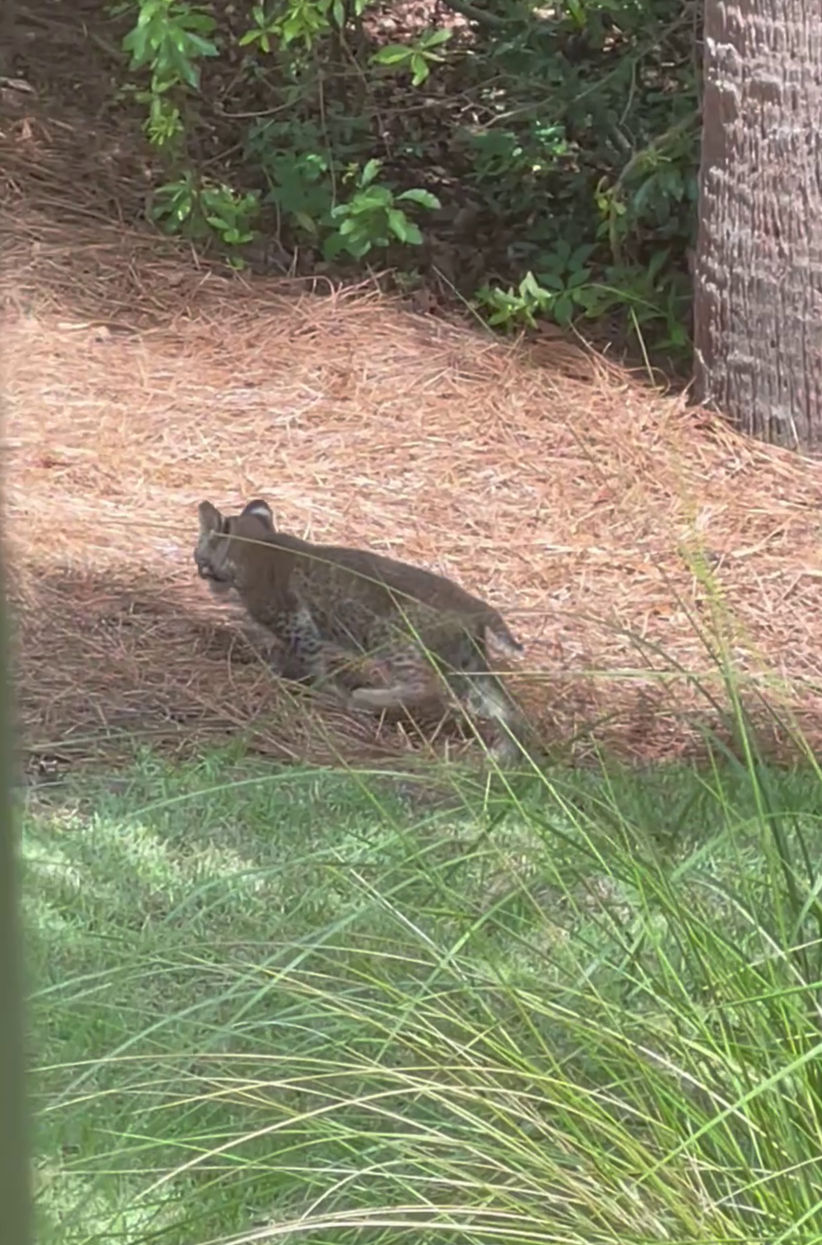
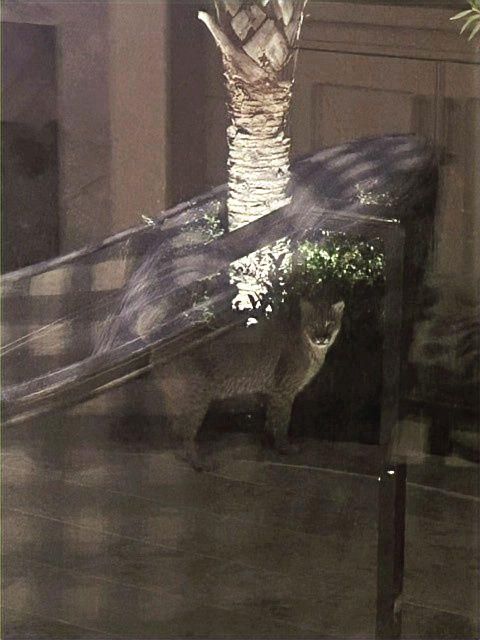
Bobcats are elusive native wildcats that inhabit the forested and brushy areas of the Lowcountry. These solitary predators are rarely seen due to their secretive nature and primarily nocturnal habits. Approximately twice the size of a domestic cat, bobcats are distinguished by their spotted coat, short "bobbed" tail, and tufted ears.
Bobcats primarily hunt rabbits, rodents, and birds. Smaller sized pets should be monitored while outside, particularly during dawn to dusk. Bobcats are generally fearful of humans and will avoid confrontation. If you encounter a bobcat, make noise, appear large, and back away slowly while facing the animal.
The bobcat population on Kiawah and surrounding areas experienced a significant decline between 2017-2020, dropping from a historic population of 30-35, to fewer than 10. The primary cause was secondary poisoning from second-generation anticoagulant rodenticides (SGAs). Thanks to community-wide conservation efforts through the Bobcat Guardian program, the population is showing signs of recovery. Residents can help protect bobcats by eliminating toxic rodenticides from their properties. Ask your pest control provider not to use Brodifacoum, Bromadiolone, Difenacoum, or Difethialone.
Quick Facts
-
Primarily nocturnal
-
Population recovering
-
Avoid toxic rodenticides (SGAs)
-
Keep small pets supervised

Coyote
Canis Iatrans
Coyotes are highly adaptable predators that have established populations throughout South Carolina, including Kiawah Island. These intelligent animals are typically shy and avoid human contact, though they have become increasingly comfortable in suburban environments.
Coyotes are most active during twilight hours but may be seen during the day. They pose minimal threat to humans but can prey on small pets, particularly cats and small dogs. Always supervise pets outdoors, especially during dawn and dusk, and never leave pet food outside.
If you encounter a coyote, make yourself appear large, make loud noises, and maintain eye contact while backing away slowly. Never run from a coyote. Report any aggressive behavior or coyotes that appear habituated to the Association as soon as possible.
Quick Facts
-
Active dawn, dusk, and night
-
Weigh 25-35 pounds
-
Omnivorous diet
-
Keep pets supervised
-
Don't leave food outside

White-Tailed Deer
Odocoileus virginianus
White-tailed deer are common throughout Cassique and are most active during dawn and dusk, when they can often be seen grazing in open areas, along roadways, and near wooded edges. While deer may appear docile, they are wild animals and should be observed from a distance. Never approach or feed them.
Deer overpopulation is common in areas with favorable environments like Cassique. When populations exceed the ecosystem's carrying capacity, negative impacts can include damage to native vegetation and landscaping, increased vehicle collisions, and heightened disease transmission risks.
While natural predation from bobcats and coyotes provides some herd management, targeted efforts are sometimes necessary to maintain a healthy deer population in balance with the ecosystem. The Association takes proactive steps to monitor and manage the population through bi-annual wildlife surveys and implements mitigation measures when necessary based on biologist recommendations. All surveys and reports are available to property owners on the portal,
Quick Facts
-
Most active at dawn/dusk
-
Can jump 8 feet high
-
Rutting season: Oct-Dec
-
Watch for fawns May-June
-
Drive cautiously at night

More Wildlife
Additional Species & Programs
Bald Eagle
Cassique is fortunate to have several bald eagles that nest and hunt in the community. Once endangered, these majestic birds have made a remarkable recovery thanks to the Bald and Gold Eagle Protection Act, which makes it illegal to catch, kill, capture or disturb eagles, including their nests and nesting areas.
Cassique has one active bald eagle nest on Estuary Lane. Due to the nest's proximity to residential lots and construction activity, an Eagle Take Permit is required under the BGEP Act. During the nesting season (October through May), the permit restricts certain activities within buffer zones that have the potential to disturb the nest. To view a list of restricted activities and buffer zone areas, please click the Eagle Nest Take Permit link below.
In the event you find an injured eagle, or that an eaglet has fallen from the nest, keep it under observation and contact the South Carolina Birds of Prey at (843) 971-7474.

Nine-Banded Armadillo
Nine-banded armadillos are unique mammals easily recognized by their distinctive armored shell. Originally native to South and Central America, armadillos have expanded their range northward and are now established residents of South Carolina's coastal regions.
Armadillos are primarily insectivores, using their strong claws to dig for grubs, beetles, and other invertebrates. While they pose no direct threat to humans or pets, their foraging behavior can damage lawns, gardens, and landscaping through extensive digging. They are most active during evening and early morning hours.